Showing posts with label azure machine learning. Show all posts

Sunday, March 22, 2026

Why Use Dynamics 365 SCM with Azure Machine Learning Today?

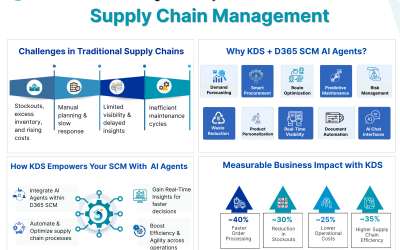
In an era where speed, accuracy, and data-driven decisions define business success, organizations are under pressure to modernize their supply chain operations. But what makes the combination of Dynamics 365 Supply Chain Management (SCM) and Azure Machine Learning so powerful today? The answer lies in their ability to bring intelligence, automation, and predictive insights into every layer of your operations.

Dynamics 365 Supply Chain Management is a robust platform that helps businesses manage procurement, inventory, production, warehousing, and logistics in a unified way. However, traditional supply chain systems often rely on historical data and manual processes. This is where Azure Machine Learning steps in, adding a layer of advanced analytics and artificial intelligence to make operations smarter and more proactive.

One of the biggest advantages of integrating Azure Machine Learning with Dynamics 365 SCM is predictive forecasting. Instead of reacting to demand changes, businesses can anticipate them. Machine learning models analyze patterns, seasonal trends, and market behavior to forecast demand more accurately. This helps companies avoid overstocking or stockouts, ultimately improving customer satisfaction and reducing costs.


Another key benefit is intelligent inventory management. With real-time data and predictive insights, businesses can maintain optimal inventory levels across multiple locations. Azure Machine Learning can identify slow-moving items, recommend replenishment strategies, and even detect anomalies in stock movement. This level of intelligence ensures that resources are used efficiently while minimizing waste.

Operational efficiency also improves significantly with automation. Tasks such as order processing, supplier selection, and logistics planning can be optimized using machine learning algorithms. Dynamics 365 SCM provides the foundation, while Azure Machine Learning enhances it with automation and continuous learning. This reduces human errors and allows teams to focus on more strategic activities.

Risk management is another critical area where this combination shines. Supply chains are vulnerable to disruptions caused by factors like supplier delays, geopolitical issues, or unexpected demand spikes. Azure Machine Learning can analyze risk factors in real time and provide early warnings. When integrated with Dynamics 365 SCM, businesses can quickly adjust their strategies, ensuring continuity and resilience.

For organizations looking to implement these technologies effectively, partnering with experts like Key Dynamics Solutions can make a significant difference. With deep expertise in both Dynamics 365 and Azure services, Key Dynamics Solutions helps businesses design and deploy tailored solutions that align with their operational goals.

Additionally, data-driven decision-making becomes more accessible across the organization. Interactive dashboards, real-time analytics, and AI-powered recommendations empower leaders to make informed decisions quickly. This not only enhances agility but also provides a competitive edge in rapidly evolving markets.

Scalability is another major advantage. As businesses grow, their supply chain complexity increases. Dynamics 365 SCM, combined with Azure Machine Learning, offers a scalable and flexible architecture that evolves with your business needs. Whether expanding into new markets or handling increased demand, this integrated solution ensures consistent performance.

In conclusion, using Dynamics 365 Supply Chain Management with Azure Machine Learning is no longer a luxury—it’s a necessity for modern businesses. It enables predictive insights, improves efficiency, reduces risks, and supports smarter decision-making. By leveraging this powerful combination and working with trusted partners like Key Dynamics Solutions, organizations can build resilient, future-ready supply chains that thrive in today’s competitive landscape.

Thursday, March 5, 2026

How Can Microsoft Dynamics 365 Sales and Azure Machine Learning Transform Sales Strategies?

In today’s competitive digital marketplace, businesses must rely on advanced technologies to improve sales performance and understand customer behavior. Sales teams are expected to manage leads efficiently, predict customer needs, and close deals faster than ever before. Traditional sales systems often lack the intelligence and automation required to meet these expectations.

To address these challenges, many organizations are adopting modern technologies like Microsoft Dynamics 365 and Azure Machine Learning. When combined, Microsoft Dynamics 365 Sales and Azure Machine Learning create a powerful platform that enables businesses to automate sales processes, analyze customer data, and make smarter strategic decisions.

This integration allows organizations to leverage artificial intelligence and predictive analytics to improve their overall sales strategies.

Understanding Microsoft Dynamics 365 Sales

Microsoft Dynamics 365 Sales is a customer relationship management (CRM) solution designed to help organizations manage their sales processes more effectively. It enables businesses to track customer interactions, manage leads, monitor opportunities, and analyze sales performance from a centralized platform.


The solution within Microsoft Dynamics 365 provides sales teams with real-time insights that help them understand customer needs and identify new sales opportunities.

Key capabilities of Microsoft Dynamics 365 Sales include:

  • Lead and opportunity management

  • Customer interaction tracking

  • Sales pipeline monitoring

  • Sales forecasting and analytics

  • Workflow automation

By centralizing sales data, businesses can ensure that sales representatives have access to the information they need to engage customers effectively.

What Is Azure Machine Learning?

Azure Machine Learning is a cloud-based service that enables organizations to build, train, and deploy machine learning models. These models analyze large volumes of data and identify patterns that help businesses make accurate predictions.

Machine learning technology allows organizations to transform raw data into meaningful insights. When applied to sales operations, it can help businesses understand customer behavior, predict sales outcomes, and optimize marketing strategies.

Azure Machine Learning provides tools for data scientists and developers to create predictive models that can be integrated with business applications like Microsoft Dynamics 365 Sales.

Benefits of Integrating Dynamics 365 Sales with Azure Machine Learning

Combining CRM systems with machine learning technologies allows organizations to unlock new opportunities for improving sales performance.

Predictive Sales Forecasting

One of the biggest advantages of using machine learning in sales is predictive forecasting. By analyzing historical sales data and market trends, machine learning models can predict future sales patterns.

These insights help organizations plan inventory, allocate resources, and develop more effective sales strategies.

Intelligent Lead Scoring

Sales teams often spend significant time evaluating which leads are most likely to convert into customers. Machine learning models can analyze customer data and assign scores to leads based on their likelihood of conversion.

This helps sales teams focus their efforts on high-value prospects, increasing the chances of closing deals successfully.

Personalized Customer Engagement

Modern customers expect personalized experiences when interacting with businesses. Machine learning algorithms analyze customer preferences, purchase history, and engagement patterns to deliver tailored recommendations.

Sales representatives can use these insights to create more meaningful and personalized interactions with customers.

Automation of Sales Processes

Automation is another key advantage of integrating machine learning with CRM systems. Routine tasks such as data entry, follow-up reminders, and lead assignment can be automated using intelligent workflows.

Automation reduces manual work and allows sales teams to concentrate on building relationships and closing deals.

Improving Decision-Making with Data Analytics

Data-driven decision-making is essential for modern organizations. Integrating Azure Machine Learning with Microsoft Dynamics 365 enables businesses to analyze large datasets and generate valuable insights.

Sales managers can use analytics dashboards to monitor key performance indicators such as conversion rates, sales pipeline health, and customer engagement levels.

These insights help businesses refine their sales strategies and identify new growth opportunities.

The Future of AI-Driven Sales

Artificial intelligence and machine learning are transforming how businesses approach sales and customer relationship management. Organizations are increasingly relying on intelligent technologies to automate operations and gain deeper insights into customer behavior.

Solutions like Microsoft Dynamics 365 combined with Azure Machine Learning allow businesses to build advanced predictive models that support smarter sales strategies.

As these technologies continue to evolve, companies that adopt AI-driven sales tools will gain a significant competitive advantage in the marketplace.

Conclusion

Businesses today must leverage modern technologies to stay competitive and deliver exceptional customer experiences. Traditional sales systems alone are no longer sufficient to handle the complexity of modern customer interactions and market dynamics.

By integrating Microsoft Dynamics 365 Sales with Azure Machine Learning, organizations can automate processes, analyze customer data, and predict future sales trends with greater accuracy.

Using the combined capabilities of Microsoft Dynamics 365 and Azure Machine Learning, businesses can improve sales productivity, enhance customer engagement, and make smarter strategic decisions that drive long-term growth.

D365 SCM Implementation: Benefits, Challenges, and Best Practices

In today’s competitive business environment, organizations need greater visibility, agility, and control across their supply chain operation...